Why Presentation Is Part of a Great Dining Experience
Great dining is about more than flavor alone. The first thing people notice is how the plate looks, how the table feels, and how the atmosphere frames the meal before the first bite. When presentation is thoughtful, it shapes expectations, elevates the mood, and turns a simple dinner into a memorable experience. At Engine Room, that belief shows up in every detail, from bold comfort food to the way each dish is served with intention. If you enjoy discovering how atmosphere and food work together, you may also like our guide to what makes a pub visit unforgettable in 2026 and our article on how to match the right drink with your meal in Salt Lake City.
In this article, we will explore why presentation matters, how it influences perception, and what restaurants can do to create a dining experience that feels polished, welcoming, and worth remembering. We will also look at the psychology behind visual appeal, the role of ambiance, and practical ways presentation supports everything from appetizers to dessert. For readers interested in food safety and service standards, the FDA Food Safety Modernization Act offers a useful look at the broader standards that help protect quality in food service. Whether you are a guest who appreciates the little details or a restaurant lover looking for a better night out, this guide will give you a deeper understanding of how presentation shapes the whole experience.
The Power of First Impressions at the Table
How the eye sets the tone before the first bite
People eat with their eyes before they taste anything. A well-composed plate suggests care, freshness, and skill, while a rushed or messy presentation can create doubt even when the food itself is excellent. That first visual impression acts like a preview of the meal, helping guests decide how much excitement, comfort, or sophistication they should expect.
This is one reason presentation matters so much in a restaurant and bar setting. It tells a story about the kitchen before the fork ever touches the food. When a burger arrives with crisp fries arranged neatly, or a steak comes out with purposeful garnishes and balanced color, the meal feels more intentional and satisfying. Guests may not analyze every detail, but they absolutely register the difference.
Presentation as part of hospitality
Hospitality is not only about friendly service. It is also about creating moments that feel considered and complete. Presentation signals that the restaurant respects the guest’s time, appetite, and expectation for quality. That feeling becomes especially important in social dining, where people are not just eating but celebrating, reconnecting, or winding down after a long day.
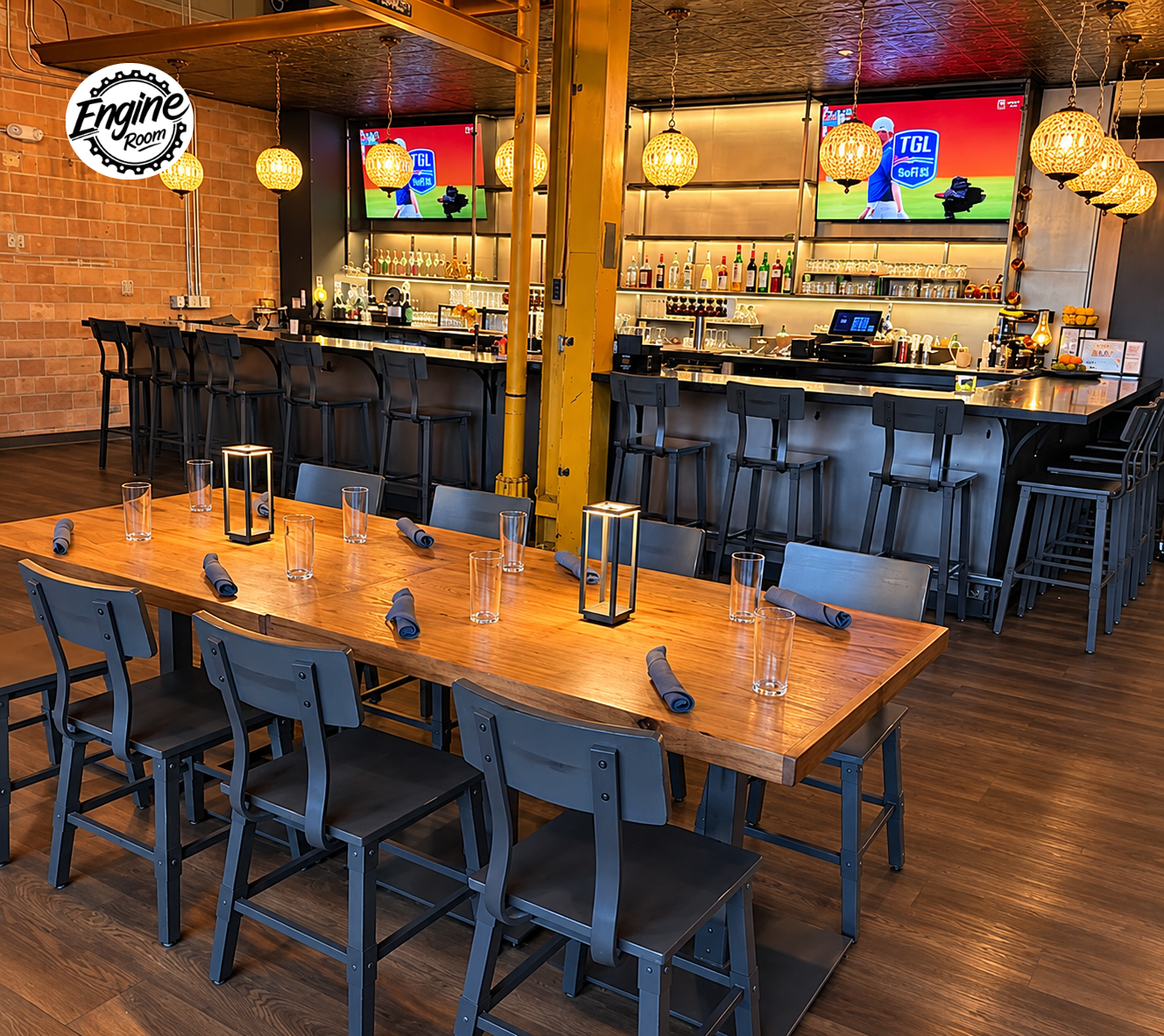
At Engine Room, presentation works hand in hand with atmosphere. The industrial-modern setting, music, and lighting all contribute to the sense that guests are stepping into something more exciting than an ordinary meal. If you want to experience that approach in person, our Downtown Salt Lake City location is designed for relaxed nights out, while our Central Ninth space brings the same energy to a neighborhood setting. Presentation is not separate from hospitality; it is one of the ways hospitality becomes visible.
Why Presentation Changes the Way Food Tastes
The psychology of visual appeal
Research in food psychology has long shown that visual cues affect taste expectations and satisfaction. When food looks balanced, colorful, and fresh, people tend to perceive it as more flavorful and more valuable. In other words, appearance can influence how the brain interprets taste even before the first bite. That makes presentation a powerful tool in shaping guest enjoyment.
The idea is supported by broader research on eating behavior and perception. The National Institute of Diabetes and Digestive and Kidney Diseases notes that eating habits and food environment play important roles in how people approach meals, which includes the visual setting around food. When a plate looks inviting, it encourages anticipation and presence. Guests slow down, notice aromas more carefully, and often enjoy the meal more fully. Presentation helps create a multisensory experience instead of a purely functional one.
Color, contrast, and balance on the plate
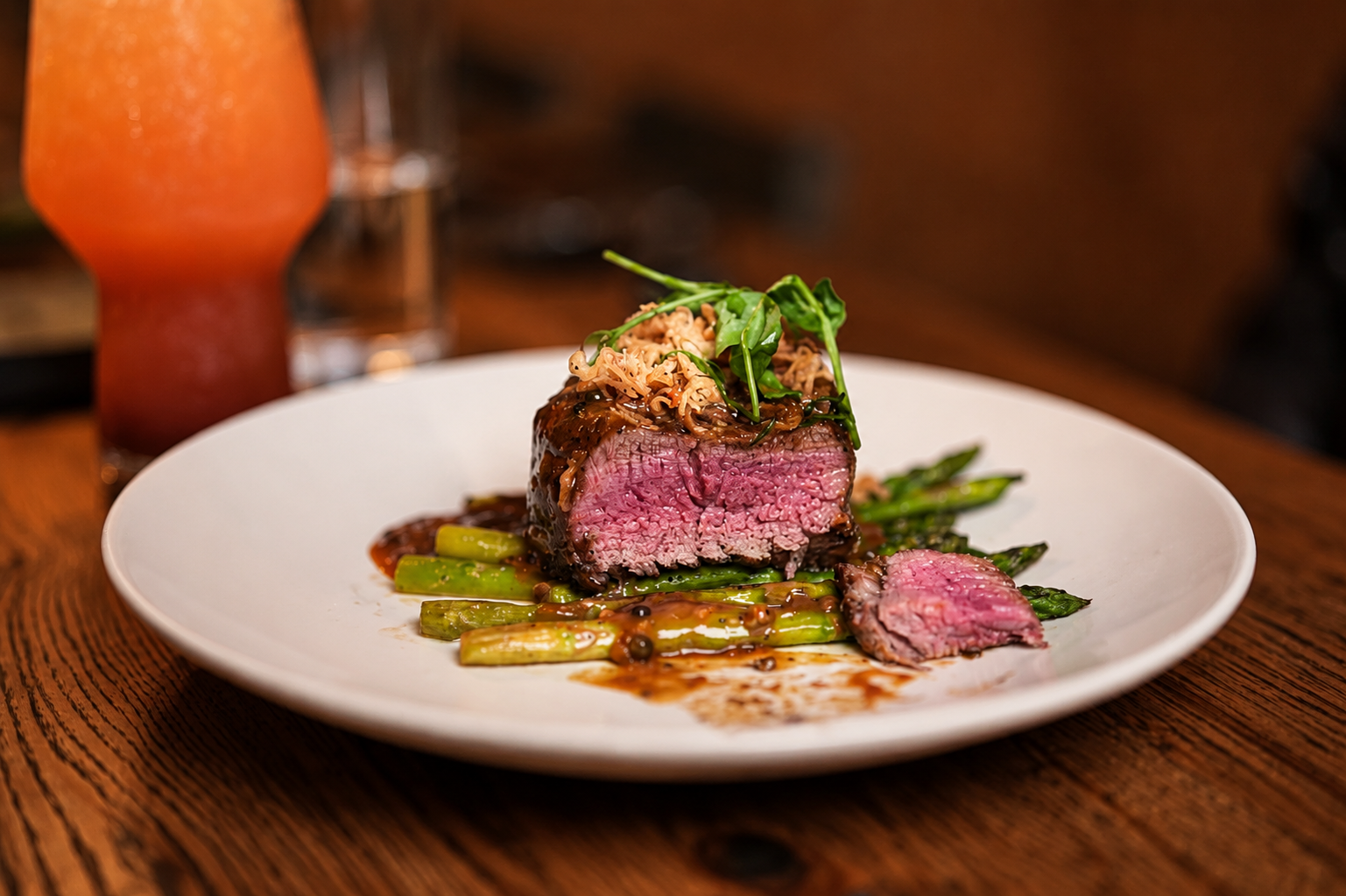
Strong presentation usually depends on three things: color, contrast, and balance. Color makes a dish feel alive and fresh, contrast helps components stand out, and balance makes the plate look organized rather than crowded. A rich steak looks more appetizing when served with a clean garnish and a side that adds visual variety. A pizza feels more satisfying when the crust, toppings, and melted cheese are arranged in a way that looks deliberate.
These details are especially important for elevated comfort food, because the food itself already carries emotional appeal. If the kitchen respects the visual side of the dish, the guest feels that the meal is worth slowing down for. That is part of the reason presentation is not just decoration; it is an extension of flavor and quality.
How Presentation Supports the Dining Atmosphere
Plating and ambiance work together
Presentation does not stop at the plate. The table, lighting, music, glassware, and pacing of service all influence how the meal feels. A beautifully plated dish in a chaotic environment will not have the same impact as the same dish served in a space that feels welcoming and consistent. Ambiance gives presentation a stage.
This is where a restaurant’s identity becomes important. A modern industrial space with dim lighting and a social buzz creates a different feeling than a quiet formal dining room. When those design choices match the food style, the guest experience feels cohesive. In a place like Engine Room, the visual style of the space helps reinforce the bold, energetic look of the menu. That unity makes the meal feel intentional from beginning to end.
The role of service timing and flow
Presentation is also connected to timing. A dish should arrive at the table looking fresh, not tired. Drinks should be served with the same attention as entrées, because a cocktail or mocktail is often the first visible detail guests notice after ordering. If service feels smooth, the presentation feels even stronger because the entire experience has rhythm.
For guests who value memorable nights out, this combination matters just as much as menu variety. That is one reason our Noche Latina event guide and Bollywood Night 2 feature both emphasize atmosphere alongside food and drink. Special events are stronger when the presentation of the room, the drinks, and the dishes all support the energy of the evening. Guests remember experiences that feel coordinated, not random.
What Great Food Presentation Looks Like in Practice
Visual structure on the plate
Professional presentation uses structure to guide the eye. That may mean placing a protein as the focal point, using sides to frame the plate, or adding a garnish that provides a pop of color without overwhelming the food. The goal is not to make every dish look identical; it is to make each one feel composed and easy to enjoy.
In practical terms, good presentation often includes clean edges, thoughtful spacing, and attention to portion placement. Too much crowding can make a plate feel heavy before the meal begins, while too much space can make it seem unfinished. The best presentation finds a middle ground, where the food looks generous, organized, and ready to enjoy.
Presentation for burgers, steaks, pizzas, and shareables
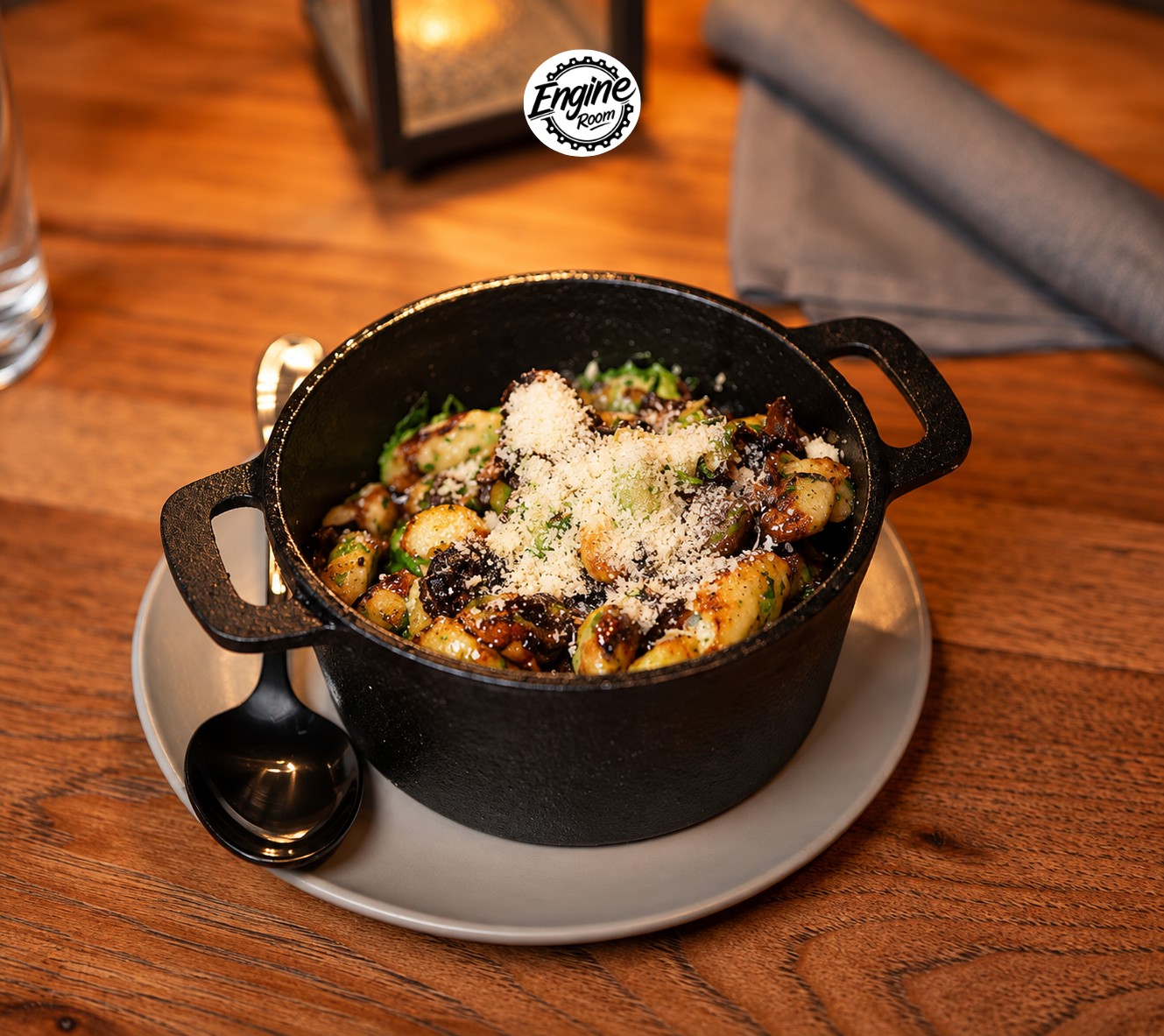
Different dishes require different presentation strategies. A burger benefits from height and stability, with ingredients stacked in a way that looks hearty but manageable. A steak is often served to highlight the quality of the cut, with sides arranged so the main item remains the visual star. Pizzas need clean slicing and even topping distribution so each piece looks appealing at first glance. Shareable plates should invite the group to dig in while still feeling polished enough for a social setting.
That is why presentation matters so much for a restaurant built around elevated comfort food. When the menu includes burgers, pizzas, steaks, and craft drinks, each item needs its own visual language. Guests may not describe it in technical terms, but they will feel the difference between something that looks hurried and something that looks like it belongs on the table.
Presentation as a Signal of Quality and Value
Why guests associate appearance with freshness
When food arrives beautifully arranged, guests often assume it was prepared with care and served at the right moment. That assumption matters because people use presentation as a shortcut for quality. A dish that looks fresh and well put together seems more trustworthy, especially in a restaurant setting where guests cannot see the kitchen process.
According to the U.S. Bureau of Labor Statistics, dining habits and restaurant experiences are shaped by consumer preferences that go beyond basic sustenance. Guests are looking for value, consistency, and a sense that their time and money were well spent. Presentation contributes directly to that perception. It helps justify the price of an item by making the meal feel special rather than ordinary.
How presentation supports premium positioning
Restaurants that want to stand out need more than good recipes. They need a full experience that signals quality from the first glance to the last sip. Presentation is one of the clearest ways to communicate that standard without saying a word. A crisp plate, a carefully poured drink, and a visually balanced table all say the same thing: this place pays attention.
That attention is especially valuable in a competitive dining market. Guests are constantly comparing options, even when they are not consciously doing it. When a restaurant combines flavor with presentation, it creates a stronger memory and a stronger reason to return. In a neighborhood dining scene, that distinction can define whether a guest becomes a regular or simply passes through once.
Craft Cocktails, Drinks, and the Visual Side of the Bar
Why beverages deserve the same care as food
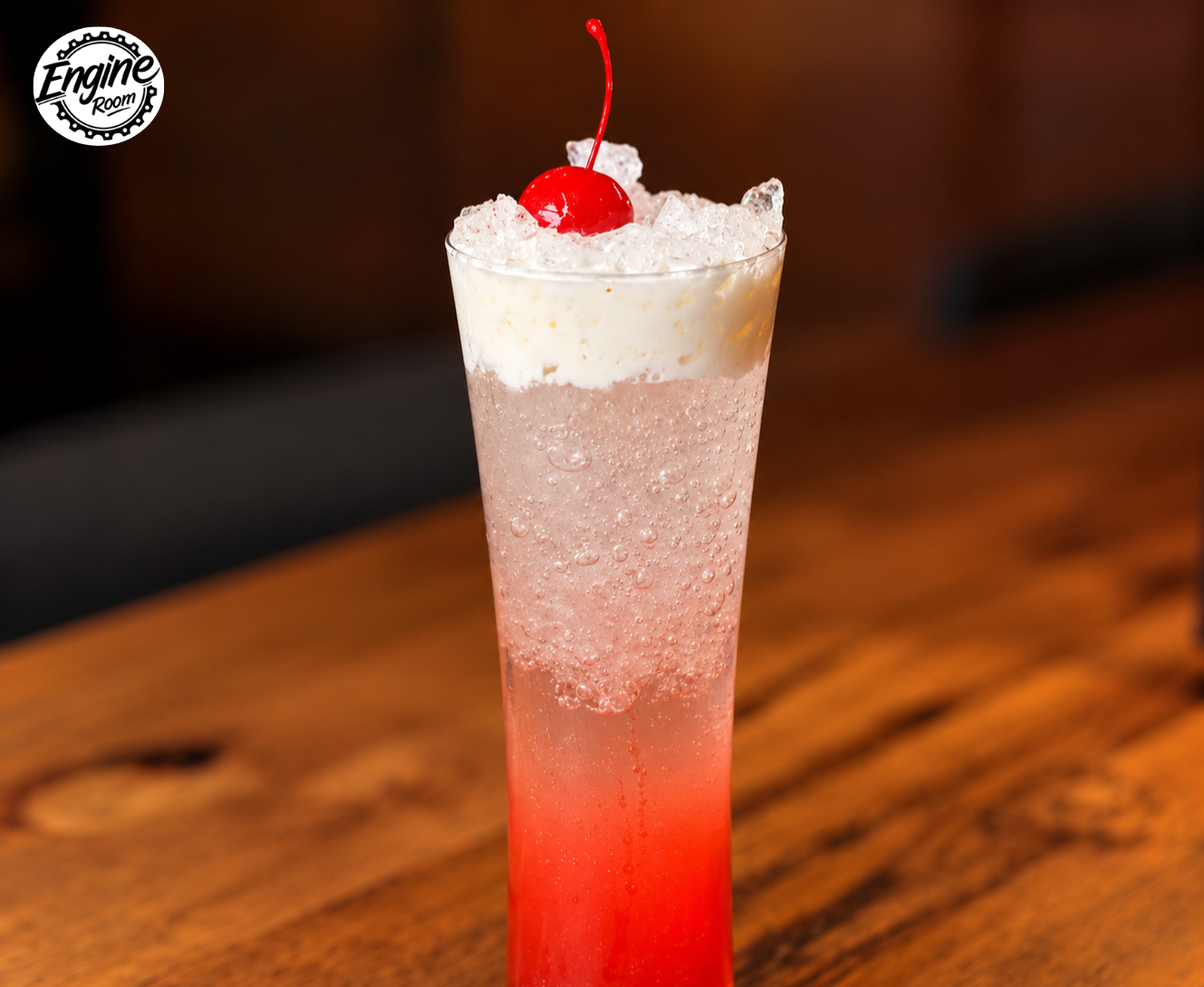
Presentation is not limited to plates. Drinks play a huge role in the overall impression of a meal, especially in a restaurant and bar concept where cocktails, beer, and nonalcoholic options all contribute to the experience. A well-garnished cocktail, a clean pour, or a thoughtfully chosen glass makes the bar program feel complete. The drink should look as good as it tastes.
For guests who enjoy pairing drinks with their meal, visual presentation can influence the entire order. A smoky cocktail, a bright citrus spritz, or a beer served at the right temperature all communicate freshness and style. If you want more guidance on this part of the experience, our article on matching the right drink with your meal offers useful pairing ideas. Presentation helps make those pairings feel intentional and elevated.
Glassware, garnishes, and pacing
Small details can transform a drink from basic to memorable. Glassware should fit the drink’s style, garnishes should enhance rather than distract, and the pour should feel confident and clean. Even the pacing of drink service matters, because a beautifully presented beverage loses impact if it arrives warm, flat, or after the food is already halfway finished.
Thoughtful beverage presentation also helps create a more social atmosphere. Guests often order drinks as part of a shared moment, whether they are meeting friends, celebrating, or settling in for the evening. When drinks look polished, the table feels more vibrant, and the entire experience becomes more photographable, shareable, and memorable.
The Social Media Effect and Modern Dining Expectations
Why presentation now matters beyond the table
Today, presentation does more than influence the guest in front of the plate. It can also shape how a meal is shared online, remembered later, and recommended to others. People photograph dishes, tag friends, and post about spaces that feel visually distinctive. In that sense, presentation extends the life of the dining experience far beyond the moment it is served.
This does not mean every dish must look designed for a camera. Instead, it means restaurants should understand that guests naturally respond to visual appeal. A plate that looks fresh, balanced, and distinctive often invites conversation. That kind of organic sharing can help a restaurant stand out in a crowded market without relying on hype alone.
Consistency across visits builds trust.
One of the hardest parts of presentation is staying consistent. Guests may forgive one less-than-perfect plate, but they notice when a restaurant repeatedly delivers food and drinks with the same level of care. Consistency is what turns a good first impression into long-term trust. It tells guests they can expect the same experience on a Tuesday night as they would during a busy weekend rush.
That consistency matters in local dining because regular guests are often the most valuable guests. If a restaurant in Salt Lake City can make every visit feel polished and considered, it becomes a dependable choice for casual dinners, date nights, and celebrations alike. Presentation is one of the easiest ways to reinforce that dependability.
How Restaurants Can Improve Presentation Without Overcomplicating It
Start with standards, not gimmicks.
Improving presentation does not require dramatic tricks or expensive redesigns. It starts with clear standards. Kitchens can define portion placement, garnish use, plate cleanliness, and the look of signature items so every dish reaches the table with the same level of intention. Front-of-house teams can support this by maintaining neat table settings and a smooth pace of service.
Restaurants that focus on standards often see the best results because they create repeatable excellence. The goal is not to make every plate look flashy. The goal is to make every plate look finished. That feeling of completion is what guests remember most.
Train the whole team to notice details.
Presentation is a team effort. Chefs, servers, bartenders, and managers all contribute to the final impression. A server who notices a smudged glass or a tilted plate can protect the guest experience before it slips. A bartender who understands garnish balance can make the drink menu feel more premium. A kitchen team that checks every dish before it leaves the pass can elevate the whole dining room.
Training should focus on awareness as much as technique. Staff should understand that presentation is not about being fussy. It is about respect for the guest. When the team shares that mindset, the restaurant’s entire identity becomes stronger.
Frequently Asked Questions About Dining Presentation
Does presentation really affect taste?
Yes, because people taste with their eyes as well as their mouths. Attractive food often creates higher expectations, which can improve the overall perception of flavor and satisfaction. Presentation does not replace quality ingredients or good cooking, but it enhances the way guests receive the meal.
Is presentation more important than flavor?
No. Flavor will always matter most in the long run. However, presentation shapes the first impression and helps guests appreciate the work behind the dish. The best restaurants treat both as essential parts of the experience, not as competing priorities.
Can casual restaurants still focus on presentation?
Absolutely. Presentation is not only for fine dining. Casual restaurants can improve the look of their food by paying attention to cleanliness, portion balance, and consistency. Even comfort food feels more inviting when it is served with care. In fact, casual concepts often benefit the most because guests are pleasantly surprised when familiar dishes arrive looking especially polished.
Conclusion: Presentation Makes the Meal More Memorable
Presentation is part of a great dining experience because it helps shape everything that happens before, during, and after the meal. It influences expectation, enhances flavor perception, supports hospitality, and makes a restaurant feel more complete. From the arrangement of a plate to the style of a cocktail, each detail contributes to how guests feel about the evening as a whole.
At Engine Room, presentation is not an afterthought. It is part of the promise that every guest will enjoy bold food, thoughtful drinks, and an atmosphere that feels both energetic and welcoming. If you are planning your next night out, explore our Ballpark location or learn more about our restaurant and bar experience on the Engine Room website. When the food looks as good as it tastes, the whole evening becomes worth remembering.
Ready to experience the difference for yourself? Visit Engine Room for dinner, drinks, and a night that feels thoughtfully crafted from start to finish.